One of my favourite things is to listen to writers talk about their writing processes and where they get their inspiration from. Not to mention, of course, the practical aspects of the craft.
I recently subscribed to the BBC series Maestro.
I have watched the full series of lectures by Ken Follett. He’s a very engaging speaker. And full of useful advice, most notably that you can’t have ‘boring characters’ and that every important character ‘should have a life outside the plot’.
He’s right, of course. It’s not possible to include every aspect of a character’s life in a book – how boring would that be?
Celebrated novelist Colleen McCullough actually called her autobiography, ‘Life without the Boring Bits‘ – so that’s what most writers aim to give you with their characters: their lives without the boring bits.
And, of course, if you’re an avid reader you’ll know us writers are meant to attract your attention at the very beginning. Looking back on my own work, I think I got better at following this dictum as I went along.
Book 3 in the Belleville series begins with an attempt on the life of one of the main characters; Book 4 begins with a plane crash and a desperate search for the young pilot.
First Born Son immediately revisits the question: who is Philippe’s father?
Ken Follett does this impressive thing of keeping neat notebooks of his planning for each book. And a spreadsheet of character traits and progression. (I’ve adopted that in a minor way for Price to Pay, the sequel to First Born Son, by having a Word document where I record new characters and their characteristics.)
A Belleville family tree with birthdates, marriages etc has been essential to help me keep track of everyone but other notes are untidy. Who in their right mind, I sometime ask myself, would write a series? So far the Belleville books have covered a period of twenty-eight years. How much further I take them is an open-ended question at this stage.
Here a link to information about all my books – including the link to read free chapters.
I headed this post Always Learning. Always Curious. Are you?
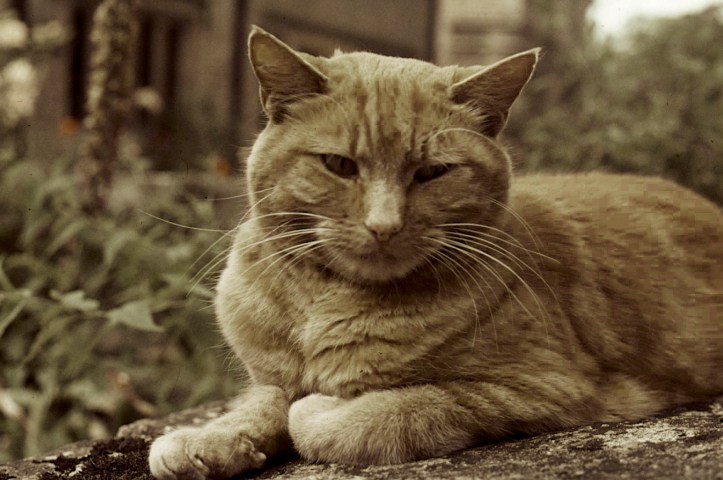
Curiosity killed the cat – in other words, it may get you into trouble
I think curiosity is one of the keys to living an interesting and rewarding life. So I’m always trying to improve my craft. And I’m always curious. If something piques my interest, I want to know more.
That’s how I found out my grandfather was illegitimate and the name he carried through life, and hence my father’s surname, and my brother’s surname and mine, originally, were wrong. And the woman my grandfather thought was his sister was really his mother.
Where else would I discover this but in a book? Does it pay to be curious, you ask? I think my late father would have been astounded.
Jojo Moyes recommends letting ideas marinate for a while which is exactly what this is doing in my brain. But I can’t deny the lure of the story. Can I put myself in the shoes of the 15-year-old Anna? Was she willing? Or pressured by the 23 year old Ludwig? Why didn’t he offer her marriage? He was single after all. Was it the differences in their social standing? He the grandson of Danish nobility; she the product of a hard-working family whose father was a tradesman.
See where curiosity takes you? Is there something swirling around in your brain that you think will make a good story? Does it fuel your interest in story-telling?
I hope at least your curiosity takes you somewhere interesting.
PS – The cat isn’t mine. It was happily minding its own business on a stone wall in a Cotswolds village in England years ago when I visited. Curiosity wasn’t going to kill it! It had that haughty look of a cat that knows it is superior to humans.
 For the love of writing & books